Reading @ the Speed of Thought
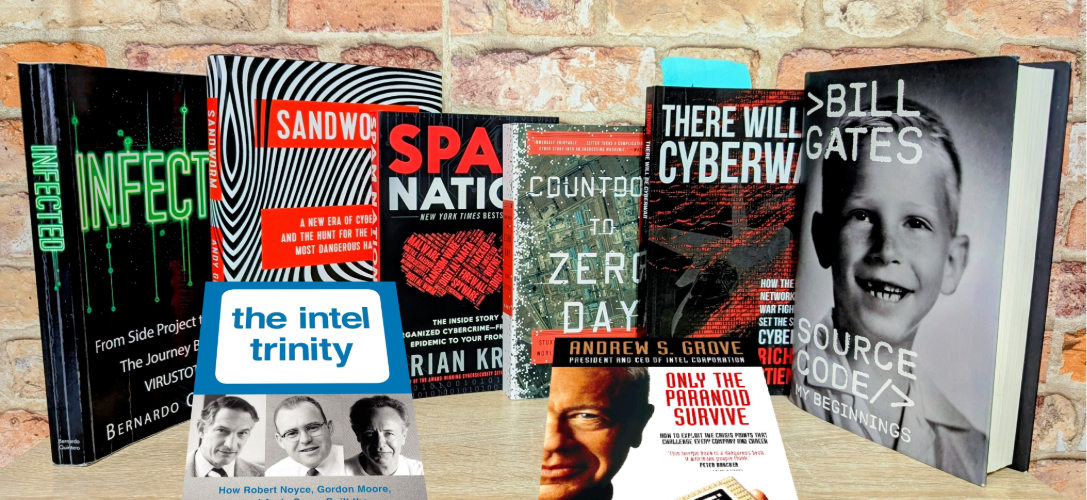
The end of the year is a good time to summarize some achievements of the year. The goals that each of us sets for a year can be different. Why can’t they be books? Personally, I don’t enjoy reading technical ones in my spare time, since this technical stuff is what I see on my monitor every day. But books about cybersecurity and computer history are on my list. In past years I read little and made up for it this year. These days it’s hard to ship books from Europe or the United States, but it’s possible with enough determination. So several books were finished in PDF format, but most were read in paper form.
Excluding masterpieces published years ago, there are two releases from this year: Source Code by Bill Gates and The Journey Behind VirusTotal by Bernardo Quintero. Source Code is a memoir that covers the early life of Bill Gates, including his childhood, university years, and the early days of Micro-soft. The Journey Behind VirusTotal opens the curtain on the story behind one of the most recognized companies in the antivirus industry, which helps both antivirus users and vendors query information about potentially malicious files. Let’s take a look at each of these books with a brief description.
Infected: From Side Project to Google: The Journey Behind VirusTotal
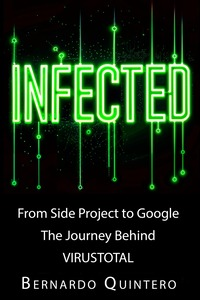
The book is authored by Bernardo Quintero, the founder of VirusTotal. Infected provides a comprehensive story of a company that started as a “side project” but later became a business with a unique experience and approach to cybersecurity at the time. Eventually, VirusTotal evolved into a company without which it’s hard to imagine modern cybersecurity, ultimately becoming a priceless asset of Google.
Spam Nation: The Inside Story of Organized Cybercrime - from Global Epidemic to Your Front Door
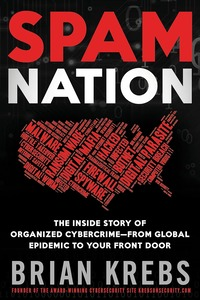
The book is authored by former Washington Post cybersecurity reporter Brian Krebs. The spam business of Russian-born spammers in the 1990s and 2000s is legendary, and this masterpiece provides a unique look inside that multi-billion-dollar industry, from its rise to its fall. But nothing lasts forever, and the paths of cybercriminals diverge when close “business partners” become enemies ready to destroy each other.
Countdown to Zero Day: Stuxnet and the Launch of the World’s First Digital Weapon
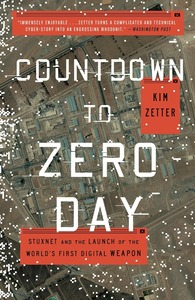
This book is by Kim Zetter. You won’t need to search for other sources about Stuxnet if you read this book. It covers everything about the first known and most epic cyberweapon targeting industrial hardware used to control uranium enrichment centrifuges. We know it’s about politics, right? The book provides insight into the political decisions behind unleashing Stuxnet and why it was deployed at that specific time. It features numerous firsthand comments from malware analysts at cybersecurity companies who dissected the malware.
Sandworm: A New Era of Cyberwar and the Hunt for the Kremlin’s Most Dangerous Hackers
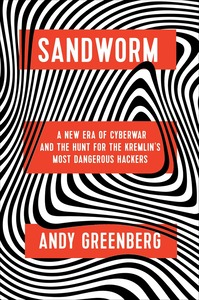
This book is by Andy Greenberg. We know the story of Stuxnet and how malware can be used to paralyze a country’s nuclear program, but there’s another story from Europe that previously could have been imagined only as a Hollywood plot. In 2015, it became reality when part of Ukraine’s capital, leaving hundreds of thousands of people, was left without electricity. Andy’s book is a guide to those events and explores which side or state could be behind that disaster.
There Will Be Cyberwar: How the Move to Network-Centric War Fighting Has Set the Stage for Cyberwar
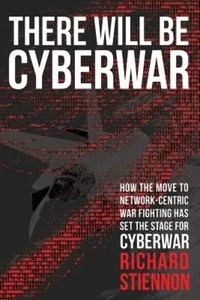
This book is by industry analyst Richard Stiennon and provides a broad view of computer threats and how they have been used by nation-states to conduct cyberespionage. This perspective is intertwined with major political decisions and incidents such as the Edward Snowden leaks. The book also discusses software vulnerabilities and explores potential future threats.
Source Code: My Beginnings
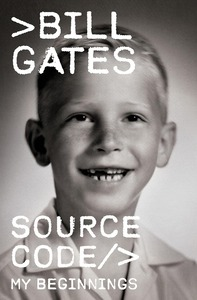
This book is authored by Bill Gates and was mentioned earlier. Source Code is a memoir, with almost half of the book dedicated to Bill’s life before Microsoft—his thoughts and reflections on childhood and university years, when he and Paul Allen programmed their BASIC interpreter for the Altair and founded the company. While reading the book, I left numerous notes on Twitter an LinkedIn.
The Intel Trinity
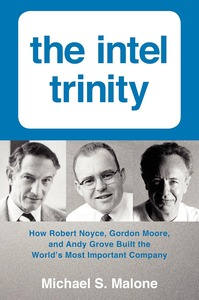
This book is by Michael S. Malone. Today, the microcomputer industry can’t be imagined without Intel, one of the pioneers of the semiconductor industry and a company that stood at the origins of modern microprocessors. But few people know that Intel began as a company specializing in memory chips and only later entered the microprocessor market. The book tells the story of Intel’s three founders who shaped the company’s future.
Only the Paranoid Survive: How to Exploit the Crisis Points that Challenge Every Company and Career
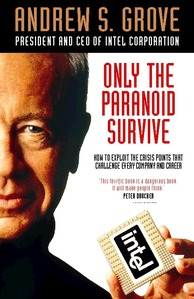
This book is by former Intel CEO Andrew S. Grove. What are inflection points, and how you avoid losing leadership during times of change? How to manage risks and what is the rule of 10x? This bestseller is full of practical examples from the CEO of one of the most successfull companies in the computer industry.